
(BlackFitness101.com) After years of coaching adults in their fifties and sixties, I’ve noticed an overlooked threat to a good workout. It has nothing to do with reps or form. As we grow older, the body becomes less reliable at signaling when it needs water. That quiet shift can turn a good workout into a struggle.
Here is the part that catches people off guard. Thirst, that little nudge pushing us toward a drink, can get softer as the years stack up. The brain used to holler when fluid levels dropped. Now it whispers, and some days it skips the memo altogether. A person can be running low on fluids without feeling especially thirsty. That last set might feel like pushing through mud, or the walk back to the car suddenly seems harder than usual.
I watch this play out on my gym floor all the time. A client insists she drank “enough,” meaning two swallows and a prayer. Meanwhile, her energy is dragging, and concentration starts to slip. Getting older takes the blame, though dehydration could be part of the problem.
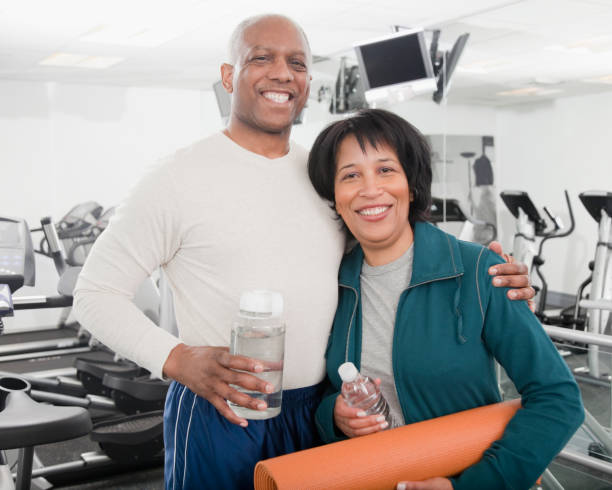
Now let me add a layer, because it matters more than most people realize. Plenty of us over 50 take medication to manage blood pressure, heart conditions, or swelling down in the ankles. Those little pills earn their keep, but certain medications can change how the body handles fluid. Diuretics, the ones a doctor might call water pills, help remove extra salt and water through urination. Other blood pressure medicines work differently. None of this means quit the medicine, baby, not even close. It means understanding those prescriptions and discussing fluid intake with a doctor. That matters even more when a medical condition requires limiting water.
Bring a workout into that picture and the math gets serious. We sweat. Some of us pour, while others barely glisten. Either way, the session can drain fluid and salt as we move. Pair a faded thirst signal with medication that increases fluid loss. Throw in a workout burning through the reserves, and three things stack up against us at once. That combination can leave an older adult feeling dizzy, crampy, or flat out wiped before a dry mouth ever shows up. Of course, those symptoms can have other causes too, so we cannot blame every rough workout on dehydration.
So what do we do about it? Simple, and I promise it won’t complicate the morning. Quit waiting until you’re completely parched. Drink some water before the shoes even get laced. Keep a bottle within arm’s reach while we move, then replenish fluids afterward. How much depends on the workout, the weather, and your own health. Thirst might stay quiet, but hydration still matters. Just don’t force down more water than the body needs.
The color check is a handy little friend here, so don’t be shy. Peek in the toilet, no shame in the game. Pale lemonade usually means things are fine. Dark yellow urine can mean somebody fell behind and needs more fluid. Just remember that vitamins, medications, and certain health conditions can change the shade too. That one glance offers a useful clue, but it cannot tell the whole story. Tea-colored urine after a hard workout is a warning sign. Get medical attention right away, especially if unusual muscle pain or weakness comes along with it.
Food pulls weight in this too, and folks forget it. Cucumber, melon, and oranges all provide moisture. So does a pot of greens cooked in broth or a bowl of soup once the weather turns cool. Nobody has to chug a gallon to stay right. Spread your fluids across the whole day, lean on juicy produce, and let the meals pitch in. A little planning goes a long way when thirst no longer speaks as loudly as it once did.
A quick word about the sips that fool us. Coffee is lovely, and I am not about to come for anybody’s morning cup. That morning brew and a glass of tea can both contribute to daily hydration, despite what some folks have heard. Sweet tea and soda deserve a little more attention because of the added sugar. Alcohol is another story, since too much can encourage fluid loss. Plain water remains an easy, reliable choice, and there is nothing wrong with letting it do most of the heavy lifting.
This is the reason I ride people so hard on it. Running low does not simply leave us dragging. Dehydration can bring on dizziness, interfere with concentration, lower blood pressure, and make physical activity feel harder than it should. For somebody who is 55, 65, or 72, none of those are small inconveniences. Losing your balance on a treadmill can turn a good day into a dangerous one. The same goes for getting lightheaded halfway through a workout. Staying hydrated helps, but unusual symptoms deserve medical attention rather than another guess about what might be wrong.
Picture a gentleman of 68, sharp as a tack, who keeps getting lightheaded on the treadmill. Maybe he skipped water that morning, took his pressure pill, and headed straight to exercise. That could raise concerns about hydration, but dizziness is not something a trainer should diagnose from an empty cup. A man dealing with those spells needs to discuss his symptoms and medication with his doctor. Sometimes hydration needs attention, and sometimes something else is going on. Knowing the difference matters more than trying to tough it out.
Make it a ritual instead of a chore. One bottle by the bed, one in the car, another parked on the counter where it can’t be missed. Set a phone reminder if that helps the habit stick. Some of my ladies mark a bottle with times running down the side, giving themselves a gentle nudge to sip throughout the afternoon. No racing to finish, no forcing down water just to meet some imaginary quota. Whatever helps you drink regularly while respecting your body’s needs, that’s the right direction, period.
Growing older is a blessing, and staying strong inside it is the thing we’re all chasing together. Muscles want to grow, the heart wants to labor, bones want that movement. Every last one of those systems depends on the body maintaining a healthy balance of fluids. Give yourself what you need throughout the day, even when thirst has grown a little quieter. The goal is not to drink the most water in the room. It is to keep moving, stay steady, and enjoy the strength you have worked so hard to build.
So fill the cup, friend. Take another sip when your body needs it. Picture your future self still dancing at the family reunion and chasing grandbabies around. That person will thank you for taking care of the little things that make those moments possible.
Staff Writer; Janet Banks
This sista is a fitness trainer with 17 years of experience and counting, helping people build stronger bodies, healthier habits, and a better relationship with wellness. Her work focuses on practical fitness, everyday nutrition, self care, and encouraging people to take care of their health one step at a time.
Questions? Feel free to email me at; JBanks@BlackFitness101.com.