
(BlackFitness101.com) Plenty of women reach their 40s feeling just as capable as ever, without realizing that balance is something worth maintaining long before problems begin. You’re still you. Still running to work, still hauling kids around, still out on the floor at the family cookout when the right song comes on. But somewhere under all that, your body may already be experiencing subtle changes in the muscles and systems that help keep you steady. No warning bell. No bad day that tips you off. Just gradual changes most of us don’t clock until we’re way older and it’s a whole lot harder to catch up.
The 40s are a good time to start, plain and simple. Put in five honest minutes now and you’re building habits that may help you stay steadier as the years roll on. That kind of practice can make a difference when you’re 75 and still hoping to carry your own groceries up the porch. Skip it, let the years pile on, and later you might find yourself working harder to regain stability you once took for granted. There’s a mean little math to the body. It rewards the woman who starts while things are easy, though it’s never too late to begin.
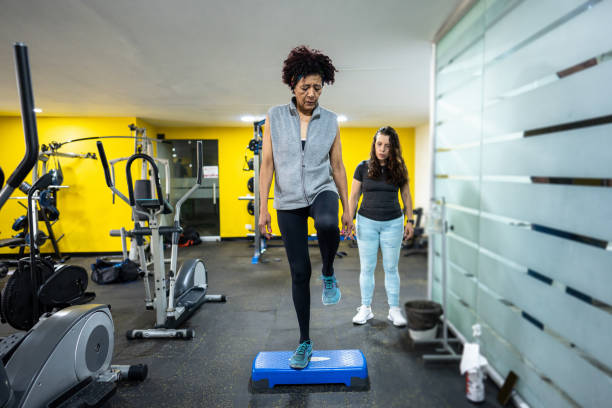
Let me tell you what’s actually going on in there. When you balance on one leg, or shift your weight around slow and deliberate, you call on a bunch of muscles you probably forgot you own. I’m talking the little ones around your ankles. The deep hip muscles nobody thinks much about training. Your muscles, joints, eyes, and inner ear all work together to tell your brain where your body is. Spend eight hours a day parked in a desk chair and you’re missing opportunities to challenge those systems. Get up and move with some purpose behind it, and you give them the practice they need to stay sharp. Use it or lose it, like my grandmother used to say about a whole lot of things.
Three moves. That’s it. You can knock them out while your coffee’s still dripping on some chilly October morning.
First one, stand on a single leg. Rest a hand on a sturdy counter, using as much support as you need to stay steady. Pick one foot up off the floor, couple inches, and just hang out there. Breathe. Fifteen seconds if you’ve got it in you, ten if fifteen’s a lie. Flip to the other side. Over a few weeks you may notice you’re using that counter a little less, and eventually you might find yourself standing steady with barely any help at all. Progress looks different for everybody, but watching yourself improve is honestly the fun part.
Heel raises, that’s your second. Hands stay on the counter for this one. Rise up onto the balls of your feet, nice and slow, like you’re going after something you stashed on the top shelf away from everybody else. Hang at the top a second. Come back down with some control to it, no clunking onto your heels. See, that pause up top gives your calves and ankles a little extra work while you practice staying steady. Do twelve of those slow as cold syrup, or fewer if you’re just starting out. Controlled movements matter more than rushing through a bigger number.
Number three, my personal favorite, the weight shift. Feet about hip width. Keep a sturdy counter or secured chair within reach, and rest your hands on it if you need support. Sway from side to side, real easy, letting one hip take you and then the other, same motion you’d use rocking a baby down for a nap. Then switch it up front to back, gently shifting your weight toward your toes and then toward your heels without lifting either off the floor. Keep it slow and keep it honest. What you’re really doing is practicing the little adjustments that help your body stay steady when you move, reach, or change direction. Those skills can come in handy when life puts an uneven sidewalk or a wet parking lot in your path.
So, five minutes. The whole thing. Some one legged standing, a little heel work, that easy sway. Get through all three before the first cup’s poured and not one soul around you knows you just did something good for your future mobility. This little routine won’t replace walking, strength training, or other regular physical activity, but it’s a practical place to start building better balance.
Now here’s the straight talk you’re owed. Showing up beats going hard, and it isn’t close. I’d take you doing these for five minutes, five mornings a week, over you blowing the roof off one Monday and vanishing on me by Thursday. The body learns by coming back to the thing again and again, not by one big dramatic push. Keep it small, keep it regular, and you give those muscles and balance systems more opportunities to improve as the weeks pass.
Couple of warnings before you dive in, and I’m saying these because I care. Always keep something solid in reach when you start out, doesn’t matter how strong you think you are. A sturdy counter works better than a chair that might slide away when you grab it. Wear shoes with a good grip, or go barefoot on a safe, dry floor if that feels comfortable. What matters is having a secure surface beneath you. Got a knee that acts up, an ankle you rolled back in the day, or anything a doctor’s already side eyed? Bring this little routine up at your next appointment before you lean into it hard. If you deal with dizziness, frequent falls, or serious balance problems, check with a healthcare professional before starting. Smart women train for the long game.
And whatever you do, don’t let a packed schedule argue you out of this. That’s the oldest trap there is, sis. Our 40s get so stuffed full of everybody else’s business that we toss our own upkeep clear to the bottom of the list. Five minutes like this isn’t about vanity. It’s a small investment in the woman you’ll be at 60, at 70, the one who wants to keep climbing stairs comfortably and standing tall in every reunion photo. She’s depending on the moves you make this week, not someday.
So take this as your nudge. Tomorrow morning, before the day grabs hold of you, get that coffee going and find a sturdy counter. Pick up one foot and start talking to your own two legs again. Five minutes covers this little routine. Stick with it, and as the weeks pass, you may begin to notice a little more control in the way you stand and move. Keep practicing through the seasons, alongside other activities that keep you strong. You’ll be giving your future self something worth having: the confidence to move through life feeling steadier and more sure of your footing.
Your legs have carried you this whole time. Go show them some love.
Staff Writer; Janet Banks
This sista is a fitness trainer with 17 years of experience and counting, helping people build stronger bodies, healthier habits, and a better relationship with wellness. Her work focuses on practical fitness, everyday nutrition, self care, and encouraging people to take care of their health one step at a time.
Questions? Feel free to email me at; JBanks@BlackFitness101.com.