
(BlackFitness101.com) Most of us remember jumping jacks from somewhere. School gym, summer camp, football practice, basketball warmups, maybe even a coach in the neighborhood counting loud with a whistle hanging from his neck. Nobody gave a long speech about the move back then. You just opened the feet, raised the arms, came back in, and kept going until somebody got tired of counting. A young body can get away with a lot. A beginner starting again may not have that same luxury.
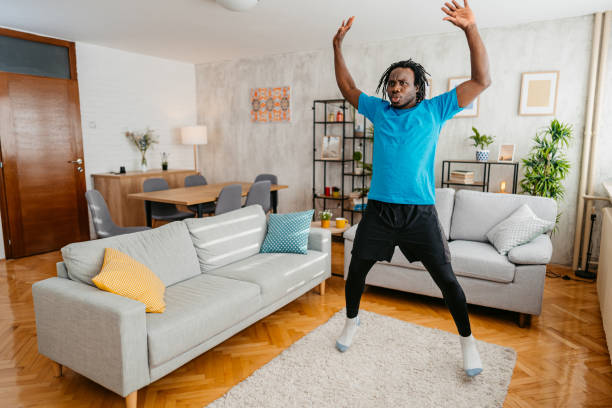
That is why I like talking about step jacks and jumping jacks together. They look like relatives, but they do not treat the body the same way. One lets you move without leaving the floor. The other brings more bounce, more speed, and more impact. Neither one is magic. Neither one is worthless. The question is not which one looks tougher. The question is which one lets you train today and still feel good enough to come back tomorrow.
I have been around enough people trying to get in shape to know beginners often rush. They want sweat right away. They want to feel like they did something. They want a move that reminds them of gym class, back when everybody had more wind and fewer bills. I understand that feeling. Still, the body you have now is the one you have to work with. You cannot borrow your younger knees for a workout and then return them when you are done.
The regular move is simple to describe, but not always simple to handle. Both feet leave the floor, land apart, then return. The arms travel overhead and back down. The heart rate comes up fast. The shoulders get involved. The legs do plenty. If your joints are ready and your rhythm is good, it can be a fine choice. But every landing has to go somewhere. Ankles feel it. Knees feel it. Hips feel it. The lower back may have an opinion too.
The lower impact version removes the bounce. You step one foot out to the side, raise the arms, bring that foot back, then change sides. It sounds easy until you keep it moving for a minute with good posture and steady breathing. That side step pattern can warm the body, raise the pulse, and build confidence without all that pounding. For many beginners, that is not a small thing. That is the difference between sticking with fitness and quitting after the first rough day.
If I am training somebody new, I usually start with the gentler choice. Not because the harder one is bad. I do not believe in scaring people away from useful movements. I just know most folks need to earn impact. You build the feet. You build the ankles. You teach the knees to track right. You let the lungs catch up. Then, if the body says yes, you add more.
Some brothers do not like hearing that. They hear low impact and think it means soft. I have seen grown men almost injure themselves because they did not want to modify a warmup. That is pride, not strength. Pride will have a man limping to the refrigerator and pretending nothing happened. Sense will have him choosing the version that keeps him moving all week.
Sisters can get caught in the same kind of thinking, just from another direction. Some feel embarrassed if they need the easier road. They compare themselves to some woman online who is twenty years younger, jumping around with perfect lighting and no signs of laundry, stress, or real life in the background. Leave that alone. Your body has lived with you. It has carried your work, children, worry, long days, short nights, and whatever else came with your story. Respect it enough to start where it is.
Good form matters no matter which version you use. Keep the chest lifted. Let the arms move without forcing the shoulders up around the ears. Keep the knees soft. If you are doing the bounce, land quietly. Do not stomp the floor like it offended you. If you are stepping, place the foot with control instead of dragging it around. Breathe like you plan to stay in the room. When breathing turns wild, slow down.
Footwear matters too, and people ignore that until something starts hurting. A supportive shoe can make a big difference, especially on hard floors. Concrete, tile, and old wooden floors can be rough on the joints. Carpet may feel better. A mat can help, if it does not slide. The setup is part of the workout. Do not blame the movement if you are doing it barefoot on a hard surface with knees already fussing.
A simple starting plan is enough. Try thirty seconds of the lower impact option, then rest for thirty seconds. Do that five times. That is five short rounds, not a life sentence. If that feels smooth after a week, stretch the working time a little. Forty seconds. Maybe one minute. Keep the pace honest. You should feel like you are working, not like you are fighting for your last breath.
After a while, test the regular version if you want. Do five or ten reps, then go back to stepping. Pay attention to what happens. Do the knees feel fine? Are the ankles steady? Can you breathe without panic? Does the landing stay quiet? If the answer is yes, add a little more over time. If the answer is no, stay with the easier movement longer. That is not failure. That is a man or woman using good judgment.
I also tell people not to treat cardio like punishment. Some folks start moving like they are trying to pay for every plate they ever enjoyed. That is a hard way to live. Movement should not always feel like a scolding. It can be a way to wake up, clear stress, get blood flowing, and remind the body it still has work to do. You can be serious without being mean to yourself.
Do not expect one exercise to fix everything either. A few minutes of side steps or jumping jacks will help, but it will not carry poor sleep, wild eating, no water, and no strength work all by itself. Health is a team effort. Walking has a job. Food has a job. Rest has a job. Lifting has a job. Stretching has one too. When those pieces start working together, the body has a better chance.
So which one is better for beginners? Most of the time, start with the lower impact version. It is easier to learn, easier on the joints, and easier to repeat. The regular one can come later if the body handles it well. There is no need to make the two compete like cousins at a family cookout. One teaches rhythm and confidence. The other adds intensity when you are ready for it.
The best choice is the one you can do safely, recover from, and return to without dread. That may not sound flashy, but flash does not keep people consistent. Patience does. Start where you are. Keep the feet light. Keep the breath steady. Respect the knees. Let the body earn the next level. That is how a beginner builds something that lasts longer than a burst of motivation.
Staff Writer; Leroy Smith
I have spent more than 20 years in fitness and health education, helping people build stronger bodies and healthier habits. My work is rooted in uplifting the Black community through movement, knowledge, and long term wellness.
One may contact me at; LSmith@BlackFitness101.com.